
What’s the difference between tax avoidance and tax evasion?
Are you confused about the difference between tax avoidance and tax evasion? If so, you’re not alone. Navigating the line between what’s legal and what isn’t can be tricky, particularly if you’re responsible for your own accounts, which is why it’s important to have an experienced accountant by your side for guidance. As a UK-based accountant for small businesses, I often hear from clients who want to save money on their tax bill, so let’s get clear on some of the basics.
What is tax avoidance?
Tax avoidance is when an individual or company exploits existing loopholes to minimise their tax liability. The GOV.UK website defines tax avoidance as “bending the rules of the tax system to try to gain a tax advantage that Parliament never intended.” It is important to note that there is a difference between tax planning and tax avoidance. As a small business owner, you’ll be pleased to hear that there are plenty of legitimate tax planning strategies out there that can be legally employed to help reduce your tax bill. These include things like tax credits and deductions, which most small businesses and individuals see as part of responsible financial planning.
What is tax evasion?
Tax evasion is, however, a completely different ball game. Tax evasion is when an individual or company makes clear decisions and takes deliberate actions with the sole purpose of not paying tax. This could be by falsifying expense claims, providing false documents, concealing income or failing to declare goods. Tax evasion is a serious crime and will result in fines, penalties and even a prison sentence. It’s worth remembering that it was tax evasion, not his notorious criminal activity, that led to US gangster Al Capone receiving a prison sentence in 1931.
What’s the key difference between the two?
The main difference between tax avoidance and tax evasion is intent. An intent to deceive in order not to pay tax, lies at the heart of all tax evasion, with offenders failing to disclose or falsify financial information to avoid detection and not pay tax.
Complexity of tax laws
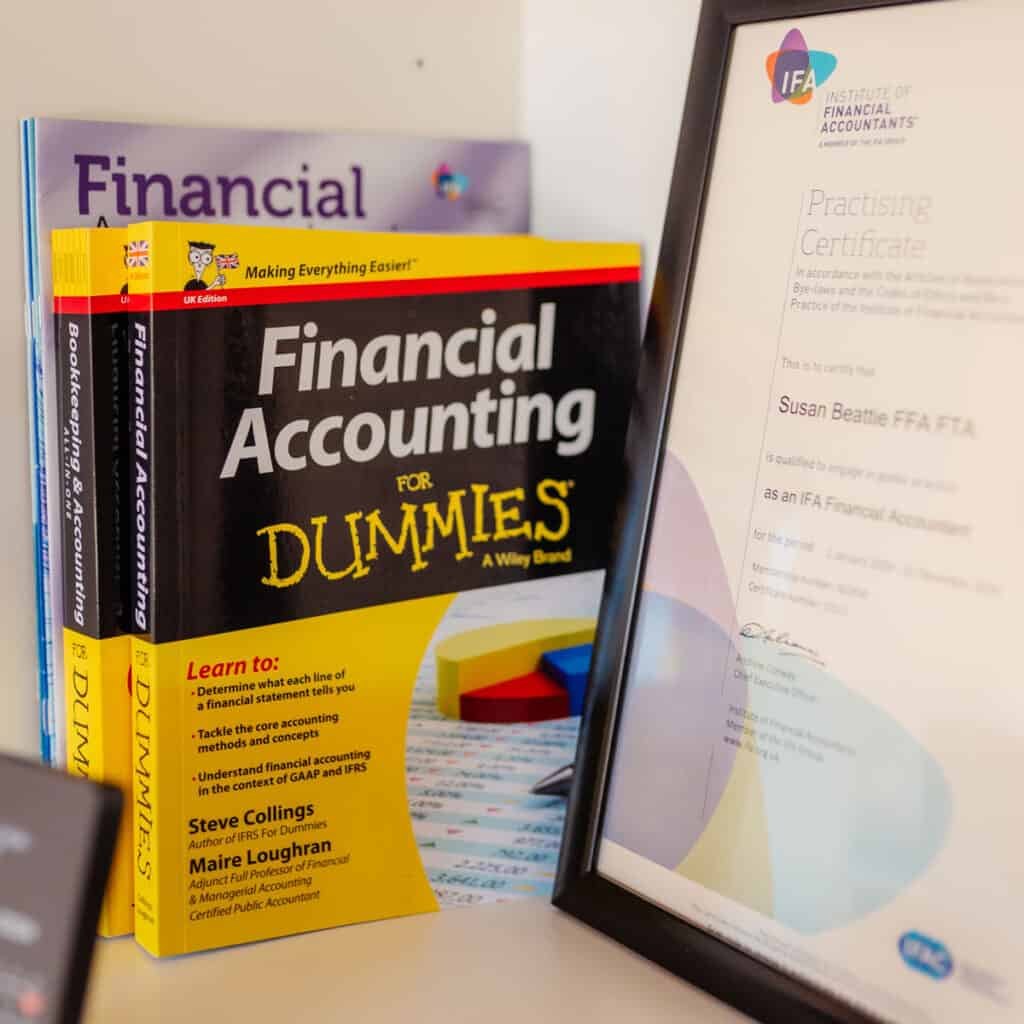
Tax laws and compliance are ever-changing and complicated at the best of times and trying to navigate them alone, particularly if it’s not your area of expertise, can be a risky business. That’s why using a professional accountant with specialist knowledge and experience of handling tax matters will not only save you time in the long run, but will also give you peace of mind, knowing you’re not running the risk of making a mistake and having to deal with the fallout. If you’re still on the fence about whether to outsource your financials to an accountant, have a read of my previous blog post ’10 reasons to use an accountant’ and I promise you won’t look back!
Key tax planning strategies
As previously outlined, tax planning is very different to tax avoidance and it is a key part of responsible financial planning for your business. As the GOV.UK website states: “Tax planning involves using tax reliefs for the purpose they were intended.” An experienced accountant will be able to help you utilise existing legal provisions to assist in reducing your tax bill. There are a number of tax planning strategies that could be helpful for small businesses including: pension contributions, tax deductions and allowances, profit and cash extraction, entrepreneurs’ relief and training and development costs. Accountants are always going to be best placed when it comes to helping your business navigate the minefield of corporate taxes, so take your advice from the experts!
If your small business is in need of some tax advice, drop me a message today and let’s talk! I’d love to support you on your business journey and help drive its financial growth.